- /
- News
- /
- Why Small Class Sizes Make a Big Difference in Prep Education
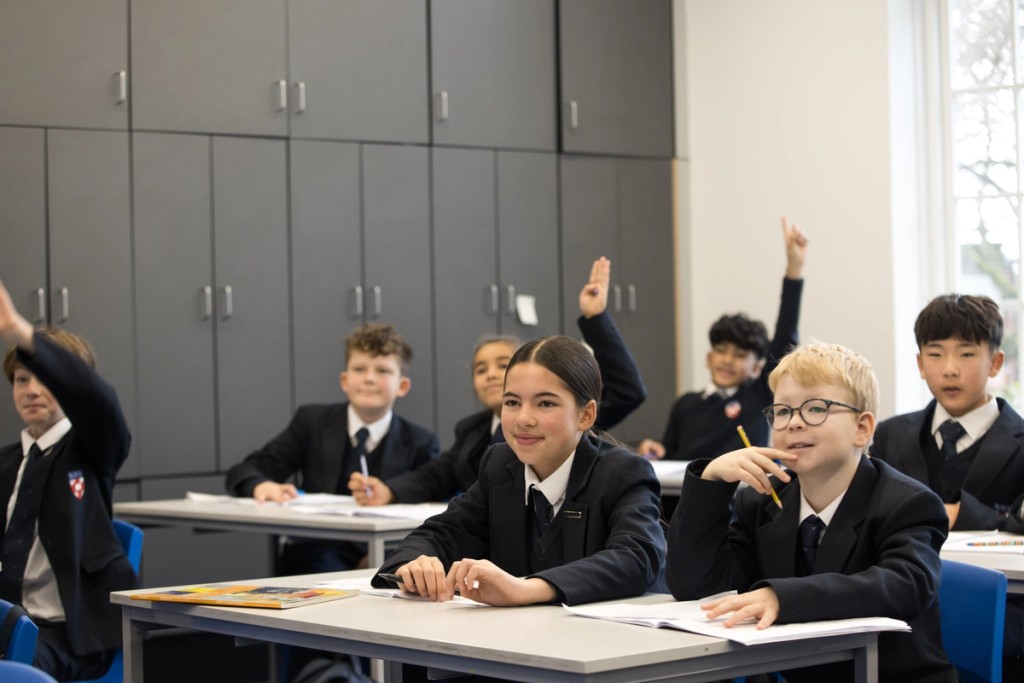
Why Small Class Sizes Make a Big Difference in Prep Education
Small class sizes have long been recognised as one of the most valuable features of a quality prep school education. At Belmont, we see first-hand how a more personalised approach empowers pupils to thrive academically, socially, and emotionally.
Personalised Attention, Meaningful Progress
Smaller class sizes mean teachers can spend more time understanding each child’s learning style, strengths, and areas for development. This tailored support allows pupils to progress at their own pace, helping to build confidence and nurture a genuine love of learning.
At Belmont, our pupils benefit from close teacher attention and a learning environment that allows every child to be seen and heard. This is a hallmark of smaller, more focused class settings. According to research by the Education Endowment Foundation (EEF), lower pupil-to-teacher ratios particularly benefit younger learners as they build strong academic foundations.
Building Confidence and a Stronger Voice
In smaller classroom environments, every child has the chance to contribute, not just the most confident speakers. This fosters self-assurance and communication skills that will serve pupils well far beyond prep school.
Recent UCL Institute of Education work underscores that the benefits of smaller classes are realised through classroom processes, more individual teacher–pupil interaction, different grouping practices and improved behaviour/engagement. This all helps to encourage wider participation.
Stronger Relationships, Happier Pupils
Smaller classes also strengthen the bonds between teachers and pupils. Staff can notice when a child is struggling, celebrate their achievements, and provide early support when needed. This fosters a sense of belonging and trust which is essential for both wellbeing and academic success.
Here at Belmont, we believe children learn best when they feel seen and supported. Our pastoral care team works closely with teaching staff to ensure that every child feels known, valued, and encouraged to flourish.
“Form tutors, the first port of call for pupils and parents, get to know the children very well and ‘really care’. ‘Whatever the issue, they offer thought-through help,’ says parent. Heads of year also do an amazing job: ‘We can’t fault them, they’re so responsive" - Good School Guide, 2025
Encouraging Collaboration and Creativity
Small class sizes don’t just benefit academic progress; they also create the space for teamwork, discussion, and creative exploration. Pupils can collaborate more effectively, learning to listen, share perspectives, and develop leadership skills in an environment that feels both inclusive and stimulating.
Recent research by the National Foundation for Educational Research (NFER) supports this, noting that smaller learning groups “promote greater collaboration and confidence among pupils, as well as improved teacher morale and innovation in teaching.”
A Foundation for Lifelong Learning
At prep age, these experiences are formative. They help pupils develop the resilience, curiosity, and independence that will underpin their journey into senior school and beyond. By learning in smaller, more focused groups, Belmont pupils grow into confident learners who aren’t afraid to take on new challenges.
Small class sizes are far more than a logistical advantage — they’re a cornerstone of meaningful education. At Belmont, they enable deep connections, exceptional teaching, and the space for every child to find their voice. The result? Pupils who are not only well prepared for the next stage of their education but who also carry forward a love of learning and confidence in who they are.